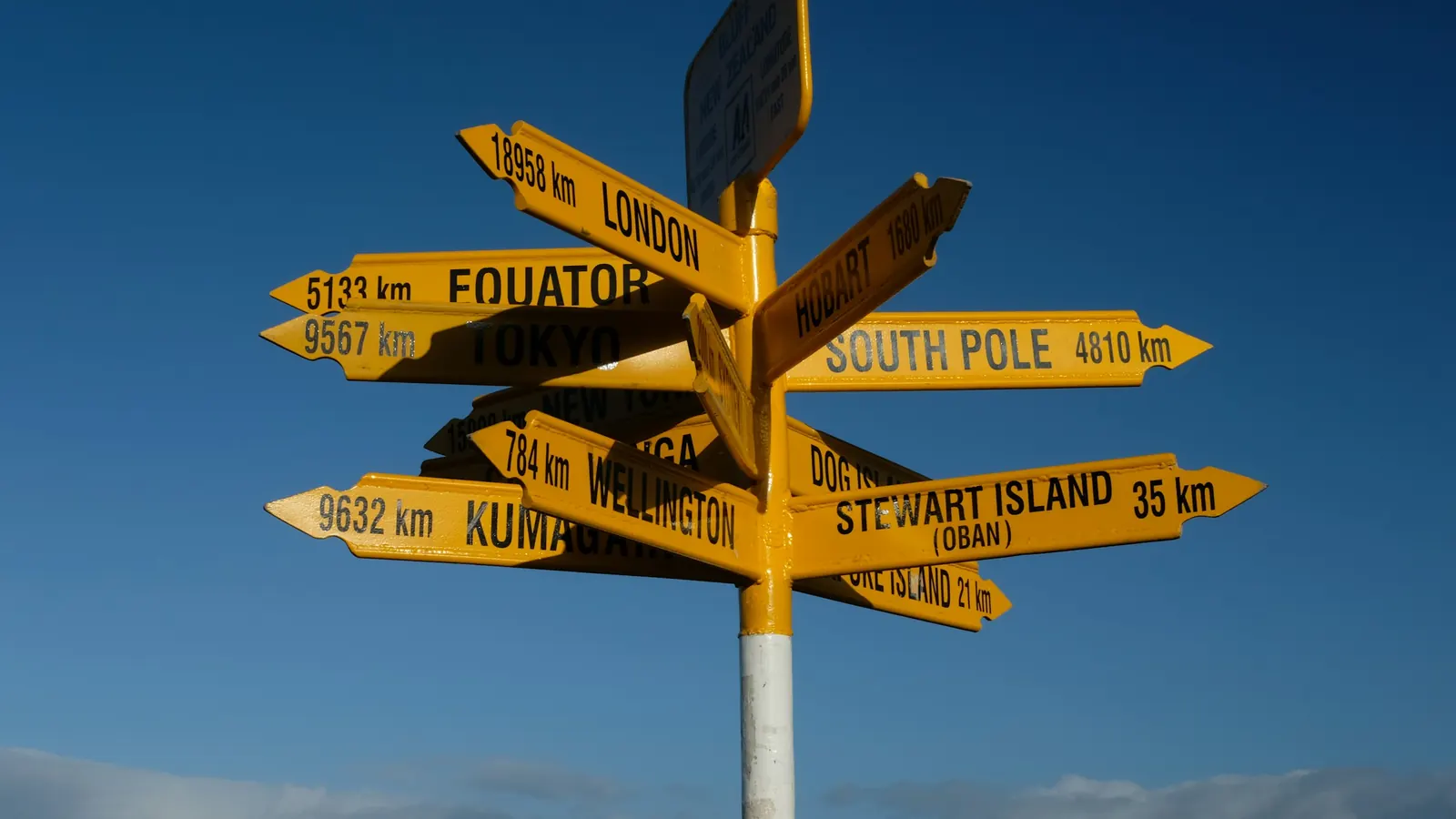

When travel brands think about AI visibility, they think about ChatGPT. That is understandable, but it means most of them are overlooking the two surfaces that reach the most travellers by a wide margin, and that are the hardest to see into: the AI answers built directly into Google Search.
If you only pay attention to the standalone chatbots, you are watching the smaller stage. Here is why Google's AI answers matter more than almost anything else, and why so few brands are managing their presence in them.
Two surfaces, enormous reach
Google Search now has two AI features that matter for a travel brand.
AI Overviews are the AI-generated summaries that appear at the top of a normal Google results page, above the usual links. They reach around 2.5 billion users a month as of 2026, and appear on roughly half of all searches. When someone searches for a type of hotel, a destination, or an operator, an AI Overview often answers before they reach any of the traditional results.
AI Mode is Google's fuller conversational search, where the whole experience becomes a back-and-forth with AI rather than a list of links. Just a year after launch it passed one billion monthly users, with its queries more than doubling every quarter. It is where the more involved, question-heavy searches increasingly happen, exactly the kind a traveller makes when planning a trip.
Put together, these two surfaces reach more travellers than every standalone chatbot combined, because they are built into the search engine almost everyone already uses. No separate app to download, no new habit to form. For most travel brands, this is where the largest share of AI-influenced travellers will encounter them, or fail to.
The problem: you probably cannot see how you appear
Here is what makes this the battle brands keep missing. You can open ChatGPT or Perplexity and check how they describe you in a few minutes. You cannot easily do that with AI Overviews and AI Mode. What they show varies by location, by device, by the exact wording of a search, by who is logged in, and it changes constantly. Checking by hand gives you a single, unreliable snapshot that may look nothing like what your customers see.
This is why so many travel brands have no idea how they appear in Google's AI answers, even brands that actively work on their ChatGPT presence. The most important surface is also the least visible to the people it affects. Seeing your true position across these Google surfaces takes specialist tooling built for the job, which is why it sits in the paid Visibility Snapshot rather than the free check.
Why being cited is worth more than it looks
A common worry about AI answers is that they stop people clicking through to websites, and there is truth in it. A large share of AI Mode sessions do end without a click to an outside site. But that is precisely why the brands that are named and cited inside these answers gain so much.
The research is clear on this. Pages cited inside AI Overviews receive far more clicks than pages that are not, one 2026 analysis found cited pages getting well over double the clicks of uncited ones, and the value of being cited grows as the volume of AI search grows. In other words, as AI answers take up more of the page and absorb more attention, being one of the named sources inside them becomes more valuable, not less. The traffic and trust concentrate on the brands the AI chooses to mention.
For a travel brand, being cited in an AI Overview or named in an AI Mode answer is close to the strongest position available. It puts you inside the answer the traveller reads first, on the surface they are most likely to use, with the credibility that comes from Google's own AI choosing to mention you.
What this means for you
Three things follow from all of this.
First, if your view of your AI visibility is based only on the chatbots, it is incomplete, and it is missing the biggest surface. The Google AI answers deserve at least as much attention.
Second, you almost certainly cannot assess your position here on your own, so if it matters to your market, and for most travel brands it does, it is worth checking properly rather than guessing from a single manual search.
Third, the goal is to be cited, not just to exist. Being one of the named sources inside these answers is where the traffic and trust are concentrating, and that is a winnable position for a brand that gets the underlying work right.
The full picture across these Google surfaces, alongside the standalone assistants, is exactly what the paid Visibility Snapshot is built to show. If you want to start with the free look at the four main chatbots, that is the free AI Visibility Check.
See the full picture. Explore the Visibility Snapshot → Or start free. Run your AI Visibility Check →
Sources
- Google I/O 2026 keynote / Search blog: AI Mode surpassing 1 billion monthly users, queries doubling quarterly. blog.google
- Writtenly Hub / Google I/O 2026 disclosures: AI Overviews reaching 2.5 billion monthly users; share of AI Mode sessions ending without a click; cited pages receiving more clicks (Seer Interactive data). writtenlyhub.com
- Memeburn / BrightEdge, Seer Interactive: AI Overview prevalence on roughly half of searches; click-through impact and rebound for cited pages. memeburn.com